
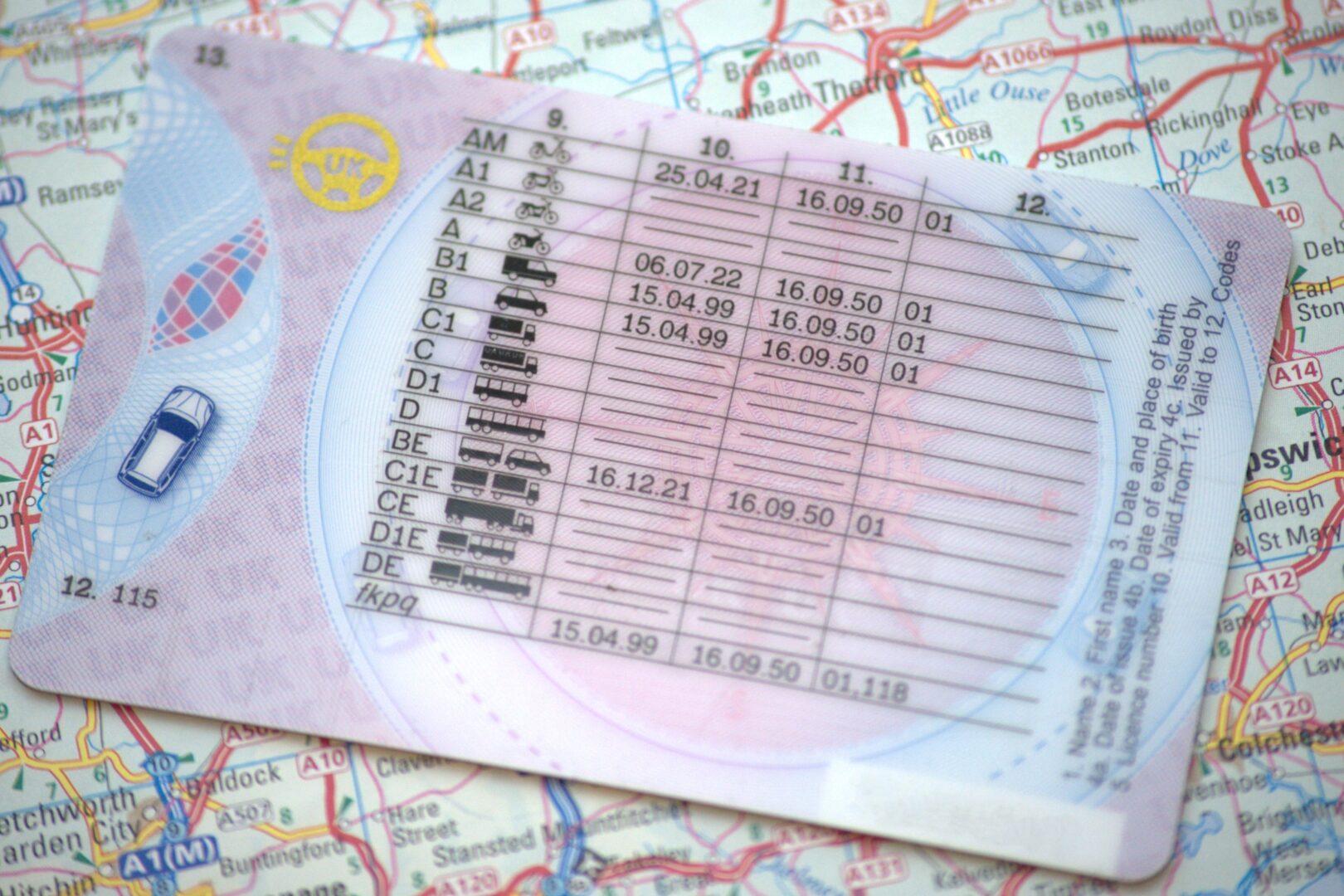
Whether you run a construction fleet towing trailers or manage drivers on long-distance haulage,
tachograph rules and enforcement by the DVSA are designed to ensure that drivers do not exceed safe
driving limits and that rest requirements are met. This helps to prevent fatigue-related incidents and
protects your Operator’s Licence from penalty.Using the common questions shown in the image above, this guide breaks tachographs down into clear,
easy-to-follow sections so that fleet managers and towing operators can stay compliant and avoid costly
infringements.
What is the purpose of a tachograph?
A tachograph is a device fitted to certain commercial vehicles to record:
- Driving time
- Rest and break periods
- Vehicle speed
- Distance travelled
Its main purpose is to make sure drivers do not exceed legal driving limits. By accurately recording
hours and rest, it protects drivers and other road users from fatigue-related accidents and gives DVSA
inspectors reliable evidence when they carry out compliance checks.
For full guidance on UK drivers’ hours and tachographs, see:
Drivers’ hours rules
Tachographs: rules for vehicles used in the EU and UK
How many hours can you drive a day on tacho?
Under GB and EU drivers’ hours rules, a commercial driver can usually:
- Drive a maximum of 9 hours per day, which can be extended to 10 hours twice per week
- Drive up to 56 hours in a single week
- Drive up to 90 hours in any 2 consecutive weeks
Drivers must also take a break of at least 45 minutes after every 4.5 hours of driving.
This 45 minutes can be split into breaks of at least 15 minutes followed by at least 30 minutes.
How much does a tacho card cost?
A digital driver card is issued by the DVLA. As of the latest published guidance, a new or replacement
card costs around £32. The card is personal to the driver and must be carried whenever
they are undertaking work that falls within tachograph rules.
What are the tacho rules in the UK?
Tachograph rules are designed to make sure commercial drivers are not overworked and that duty schedules
are safe. They generally apply when:
- The vehicle and trailer combination exceeds 3,500 kg maximum authorised mass (MAM)
- The vehicle is being used commercially or for hire or reward
Infringing these rules can lead to fixed penalties, prohibition notices and, in serious or repeated
cases, investigations into the company’s Operator’s Licence.
What is the 6 hour rule?
Under the Working Time Regulations, drivers must not work more than 6 hours without
taking a break. The total break time required depends on the overall length of the shift, but the basic
idea is that long periods of continuous work without rest are not allowed.
Can you drive 3 hours without stopping?
Yes, a driver may legally drive for 3 hours without stopping, as long as their total uninterrupted
driving time does not exceed 4.5 hours. Once 4.5 hours of driving time is reached, they
must take a break of at least 45 minutes, which can be split into 15 + 30 minutes.
What are the “7 new driving rules”?
Rules and enforcement priorities evolve over time. In recent years, changes have included:
- Updates to rest and break rules and how they are enforced
- Stronger cross-border cooperation and data-sharing
- Enhanced security features in new “smart” tachographs
- Higher expectations for operator and driver competence
- Increased use of roadside and remote data checks
- Clearer guidance on where daily rest can be taken
- Tougher penalties for serious or repeated infringements
Operators should always refer to the latest DVSA and GOV.UK guidance for current rules and enforcement
priorities.
What is the one-minute rule on a tachograph?
The one-minute rule is designed to prevent unfair recording of driving time during very
short movements, such as shunting in a yard. If, within a given minute, a vehicle is moving for most of
that time, the tachograph records the minute as driving. If it is stationary for most of
the time, the minute is recorded as other work or rest, depending on
the mode selected.
This rule helps avoid small, necessary movements being counted as full minutes of driving when the driver
is essentially still on a break.
How to use the 2 minute rule?
Some older analogue and early digital tachographs applied what was known as a “2 minute rule”. Modern
smart tachographs now use the one-minute rule instead, so there is no separate 2 minute
setting for drivers to “use”. The key is to understand how your particular tachograph records activities
and to follow the manufacturer’s instructions and DVSA guidance.
Can I leave my tacho card in overnight on rest?
It is best practice to remove the driver card at the end of duty. Leaving it in
overnight or during extended rest periods can lead to:
- Incorrect recording of rest or work
- Data inaccuracies on the driver’s record
- Potential misuse of the card by other drivers
The driver card is personal to the driver and should be treated like a licence or bank card.
What are the most common tachograph infringements?
During roadside checks, DVSA commonly finds:
- Driving beyond the legal daily or weekly limits
- Insufficient breaks or rest periods
- Missing or incorrect manual entries
- Driving without a card inserted, or using another driver’s card
- Tampering or unauthorised interference with the tachograph device
Repeated infringements can lead to serious consequences for both drivers and operators, including
action against the business’s Operator’s Licence.
What vehicles require a tachograph?
In the UK, a tachograph is normally required when:
- The vehicle and trailer combination has a MAM over 3,500 kg
- The vehicle is used commercially or for hire or reward
This includes many:
- Vans towing heavy plant or equipment trailers
- Pick-ups used on construction, utilities and civil engineering contracts
- Fleet vehicles carrying tools and machinery for commercial work
There are specific exemptions (for example certain agricultural operations or limited-radius work), but
these must be understood correctly — assuming an exemption that does not apply is a common cause of
enforcement action.
For more detail on operator responsibilities, see:
Operator licences: vehicles you need to have a licence for
Linking Tachograph Knowledge with the Right Training
Understanding the rules in theory is one thing — applying them correctly in a busy, real-world fleet is
another. That is where effective, targeted training makes a real difference.
At Towing Solutions, we offer courses specifically tailored to businesses that tow
trailers, including construction, utilities, local authorities, civil engineering and fleet operators.
Our training helps operators, supervisors and drivers understand and apply tachograph and towing law
requirements with confidence.
Trailer safety and business towing courses
Our dedicated trailer safety courses combine classroom learning with hands-on practical training. This
short video gives a flavour of what to expect from our trailer safety and business towing training:
Examples from our business-focused towing course suite include:
Tachograph Course for Towing
– a focused programme to ensure drivers and operators fully understand their obligations under
tachograph law when towing trailers or working with fleet vehicles.
Towing Awareness for Management
– designed for supervisors, fleet managers and team leaders. It covers towing law, operator
responsibilities, trailer safety, licence category considerations and compliance requirements, with a
strong emphasis on protecting the Operator’s Licence.
Trailer Safety & Awareness
– helping businesses ensure that all trailer use (towing, loading or servicing) is carried out safely
and legally, supporting duty of care and reducing incident risk.
Loading and Securing Trailers
– essential for businesses that load trailers as part of their operations, focusing on load security,
weight distribution and compliance with load safety regulations.
By taking one or more of these courses, businesses can ensure that the people responsible for towing,
supervising or managing trailer fleet operations are fully trained — not just in the theory, but in
practical compliance, safety and documentation.
Why book with Towing Solutions?
Towing Solutions is recognised across the industry and works closely with key bodies such
as:
- National Trailer & Towing Association (NTTA)
- Institute of the Motor Industry (IMI)
- NCC Training Academy (Approved Workshop Scheme / AWS)
Our business-course range is tailored for fleet operators, civil-engineering firms, construction
contractors, utilities providers and any organisation with towing or trailer-management responsibilities.
Training is practical and real-world focused, so mezzanine-floorers, site supervisors, fleet managers
and drivers all gain clear, usable knowledge that helps:
- Mitigate risk on the road and on site
- Stay compliant with DVSA and UK law
- Protect the company’s Operator’s Licence
- Reduce incidents, insurance claims and downtime
You can explore the full range of business towing courses here:
Business Towing & Fleet Courses – Towing Solutions
Final thought
Tachograph compliance, towing law, load security and fleet safety do not have to be confusing. With the
right training from a trusted provider like Towing Solutions, you can make sure your
business meets its legal obligations, safeguards your people and vehicles, and reduces risk when towing
or managing trailers as part of everyday operations.
If you are responsible for drivers, trailers or fleet operations, booking one of our courses could be one
of the smartest and most cost-effective investments you make this year.
Find out more or enquire today:
Email:
[email protected]
Website:
www.towing-solutions.co.uk