
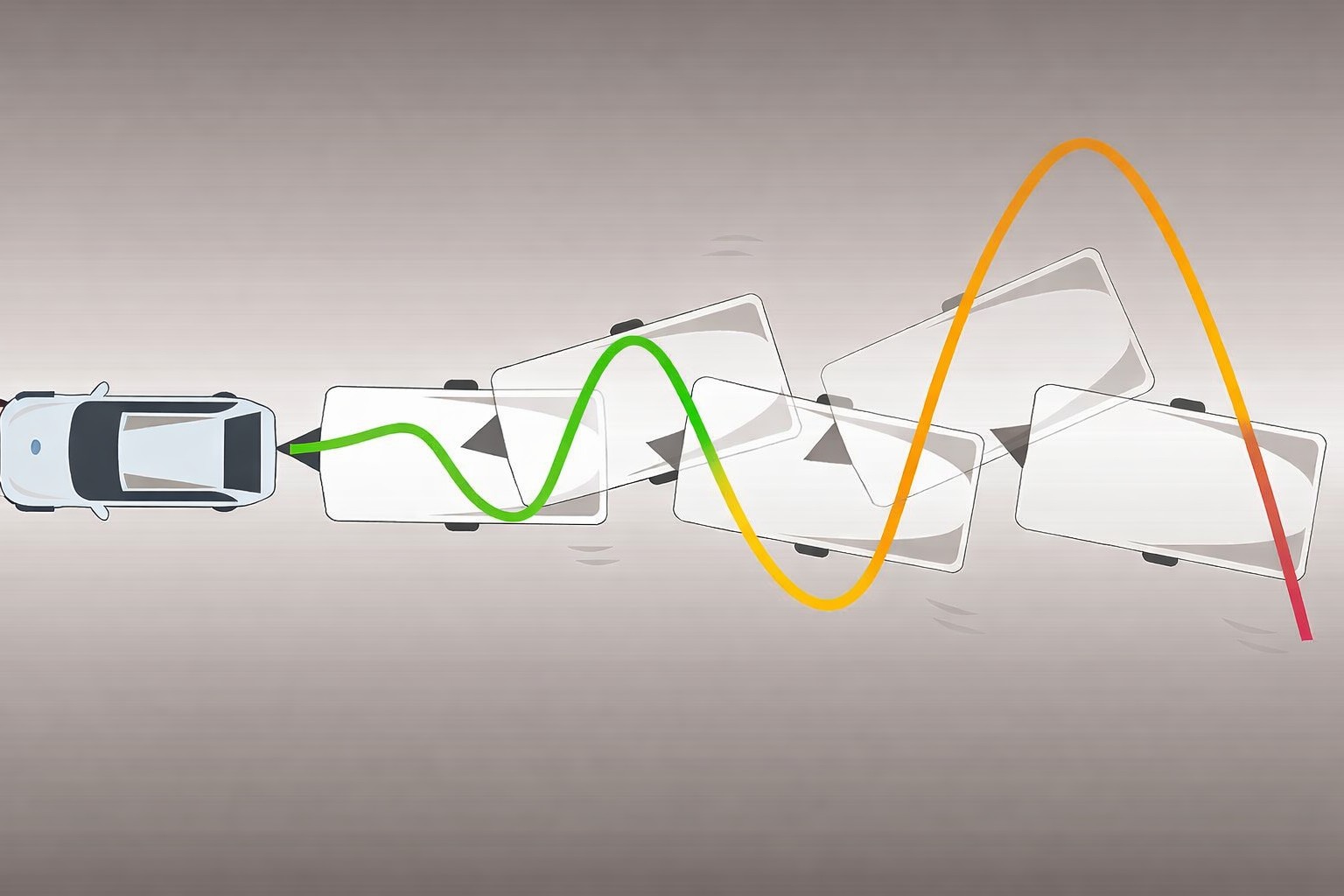
A snaking caravan is one of the most unsettling experiences a driver can face while towing. Even confident drivers can feel their heart rate rise when the caravan begins to sway from side to side behind the vehicle.
While caravan snaking is something every responsible tower wants to avoid, understanding what causes it, how to prevent it, and—most importantly—how to respond correctly if it happens can make all the difference.
At Towing Solutions, we help drivers across the UK develop the skills and knowledge needed to tow safely in real-world conditions. This guide explains caravan snaking in clear, practical terms and gives you the confidence to deal with it calmly and effectively.
What Is a Snaking Caravan?
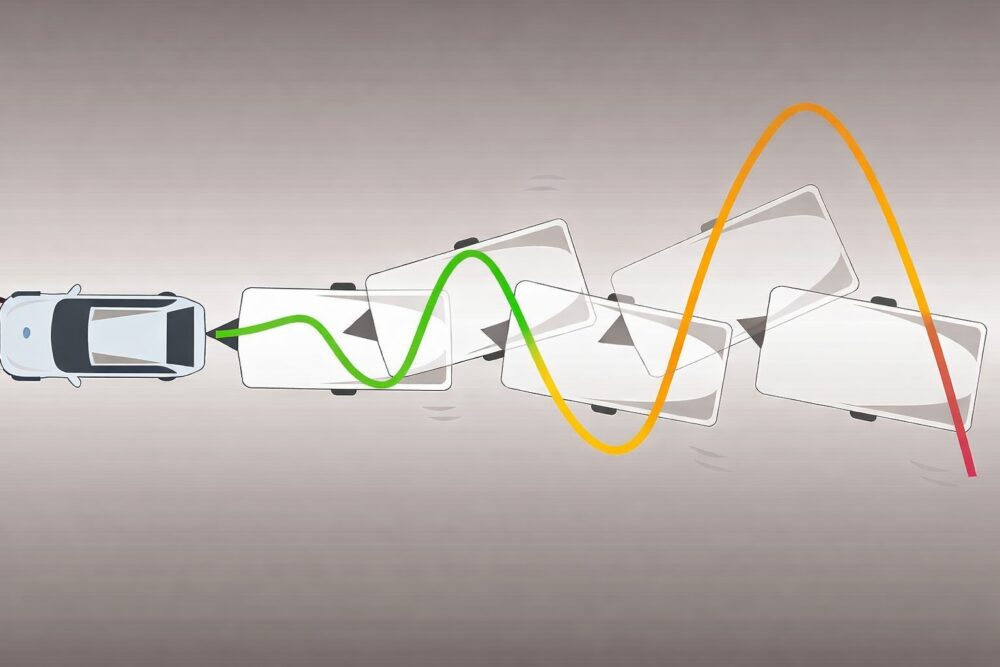
Caravan snaking occurs when the caravan begins to oscillate from side to side while being towed. Initially, this movement may feel mild, but if left unchecked it can quickly escalate.
As the caravan swings more violently, it can start to influence the tow vehicle itself. In severe cases, the caravan can effectively take control of the car, leading to loss of stability and, potentially, a serious accident.
Although it sounds alarming, caravan snaking is both preventable and manageable when drivers understand the causes and apply the correct techniques.
Why Do Caravans Snake?
Snaking is usually the result of instability in the towing setup or driving conditions. Common causes include:
- Incorrect loading of the caravan
- Insufficient noseweight
- A poor car-to-caravan weight match
- Excessive speed for the conditions
- Strong crosswinds or turbulence from passing vehicles
- A sudden downhill gradient combined with speed
Often, snaking is not caused by a single issue but by a combination of factors that build gradually.
Preventing Caravan Snaking Before You Set Off
The safest way to deal with a snaking caravan is to prevent it from happening in the first place.
Choose the Right Tow Car
Your towing vehicle should always be suitably matched to your caravan. As a general guideline, the fully laden caravan should ideally weigh no more than 85% of the tow car’s kerbweight, particularly for less experienced drivers.
While experienced towers may tow up to 100%, a heavier tow car will always offer greater inherent stability.
Load the Caravan Correctly
How you load your caravan has a major impact on towing stability.
- Keep heavy items low down and close to the caravan axle
- Avoid loading heavy objects at the rear of the caravan
- Distribute weight evenly from side to side
- Store heavier items in the car when appropriate, close to the rear axle
Poor rear loading can cause the caravan to behave like a pendulum, making snaking much harder to control.
Check Noseweight
Noseweight—the downward force exerted on the towball—plays a critical role in stability. Ideally, it should be between 4% and 7% of the caravan’s laden weight, without exceeding the limits set by the vehicle or towbar manufacturer.
Technology That Helps Reduce Snaking
Modern towing technology can significantly reduce the risk of caravan instability.
Many tow cars now feature trailer stability systems that detect sway and automatically intervene using selective braking.
Many caravans are also equipped with dedicated stability systems, such as automatic trailer braking, which activate when sway is detected.
While these systems are highly effective, they should be viewed as safety aids—not substitutes for good loading and sensible driving.
Driving Techniques That Promote Stability
Once on the road, your driving style plays a huge role in keeping the caravan stable.
- Remember towing speed limits are maximums, not targets
- Reduce speed in windy or wet conditions
- Be cautious on downhill gradients
- Use engine braking where possible
- Avoid sudden steering or braking inputs
Relaxed, smooth driving helps the tow vehicle naturally stabilise the caravan. Overcorrecting with frequent steering inputs can actually increase instability.
What To Do If Your Caravan Starts Snaking
Despite best preparation, snaking can still occasionally occur. Knowing how to respond is crucial.
If you feel the caravan beginning to snake:
- Do not panic
- Do not steer sharply
- Do not accelerate
- Avoid harsh braking
Instead, gently ease off the accelerator and keep the steering wheel straight with a light grip. Allow the vehicle’s natural stability to pull the caravan back into line.
The movement may briefly worsen before it improves. This can feel uncomfortable, but sudden steering or braking at this point greatly increases the risk of losing control.
Once the caravan settles, reduce speed and continue cautiously.
Learn These Skills Safely With Professional Training
Many drivers only ever read about caravan snaking but never practise managing it under expert supervision. This can leave them unprepared if it happens in real traffic conditions.
On the Caravan Towing Course delivered by :contentReference[oaicite:0]{index=0}, drivers gain:
- A clear understanding of towing dynamics
- Practical instruction on stability and loading
- Expert coaching to build calm, confident reactions
- Legal knowledge covering towing limits and safety
- Hands-on experience that builds real-world confidence
Training is delivered by industry-approved instructors in a controlled, supportive environment designed to improve safety and confidence.
The Takeaway: Knowledge Prevents Panic
A snaking caravan is frightening—but it does not have to be catastrophic. With the right preparation, sensible driving, and proper training, the risk is significantly reduced.
Understanding why snaking occurs and how to respond correctly allows you to remain calm and in control, protecting both your vehicle and your passengers.
If you want to tow with confidence and remove the guesswork from caravan safety, professional training is one of the smartest investments you can make.
Confident towing starts with the right knowledge, the right habits, and the right training.