
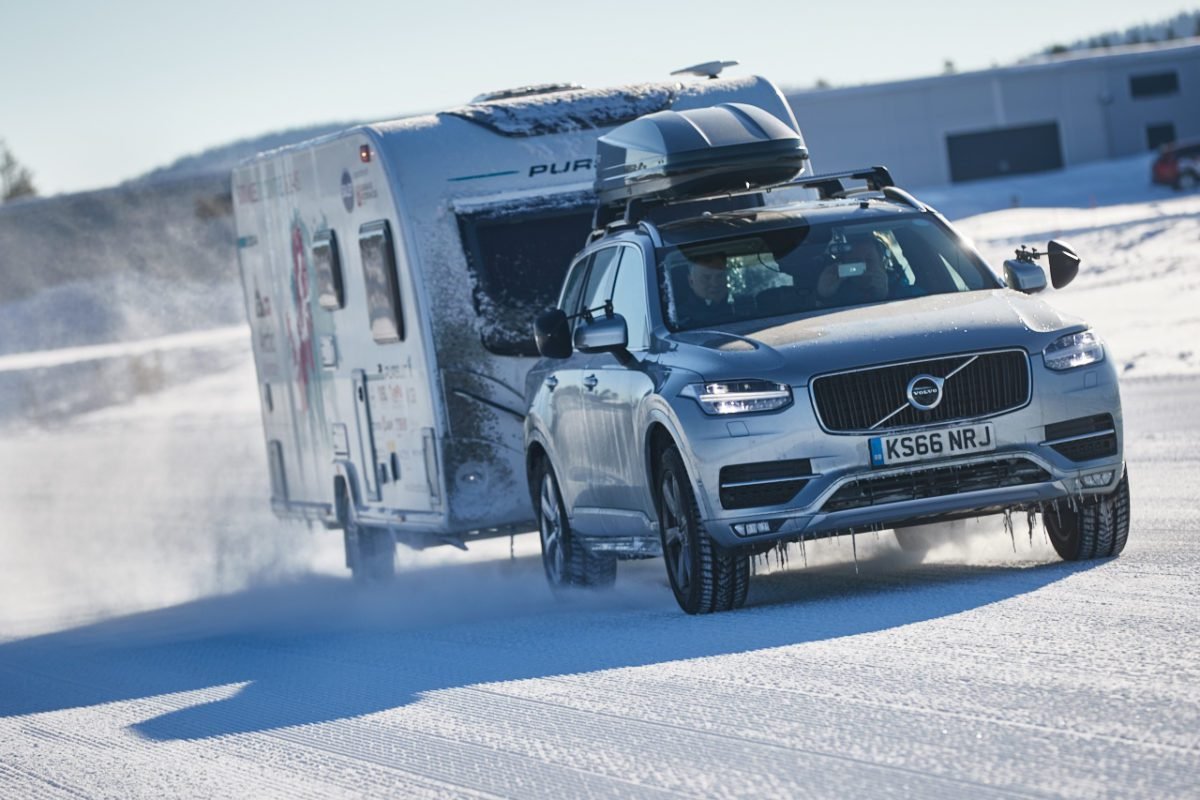
Frosty morning, busy day ahead… and your car is wearing a full suit of ice. We’ve all been there. The temptation is to “just clear a little patch” and set off — but that isn’t safe, it isn’t legal, and it often leads to unnecessary risk before you’ve even left the driveway.
Why de-icing properly matters
Driving with ice or frost restricting your view is dangerous. You must have full visibility through your windscreen, side windows and mirrors before driving. Clearing only a small “porthole” may feel quicker, but it dramatically reduces awareness of hazards and increases the risk of a collision.
For anyone towing, this matters even more. Clear mirrors are essential for monitoring the trailer or caravan, judging overtakes, and responding safely to changing road conditions.
Plan ahead: prevent ice forming overnight
The easiest ice to remove is the ice that never forms in the first place. A few simple steps the night before can save valuable time in the morning:
- Park under cover where possible — even partial shelter reduces frost build-up.
- Use a windscreen cover or winter screen protector.
- Top up winter screenwash rated for low temperatures to stop washer jets freezing.
- Repair windscreen chips early — cold temperatures can quickly turn minor damage into cracks.
Use your vehicle’s features to your advantage
Modern vehicles offer helpful winter features — especially newer petrol, diesel and electric vehicles:
- Preconditioning can warm the cabin and soften frost before you step outside.
- Front and rear demisters help prevent refreezing once you set off.
- Headlights and rear lights can ice over too — always clear them fully.
Towing tip: Ice and road salt can hide around electrical sockets and plugs. A quick clean before connecting a trailer or caravan can prevent lighting faults later.
Winter essentials worth keeping in the car
Scraping with a bank card or CD case is slow and can damage glass. A few proper tools make de-icing faster and safer:
- A sturdy ice scraper with brush
- De-icer spray (aerosol or liquid)
- Winter screenwash and a spare bottle
- Microfibre cloth for mirrors and lights
- Warm gloves
How to de-ice a car: step-by-step
- Brush off loose snow from the roof, bonnet, windows and mirrors.
- Apply de-icer evenly and allow it to break down the ice.
- Scrape gently using smooth strokes.
- Use demisters and heater to warm the glass.
- Finish with mirrors, lights and number plates.
Once everything is clear, you are safe, legal and ready to drive.
Stop ice forming on the inside of the car
Internal ice or condensation is caused by excess moisture in the cabin. To reduce it:
- Use a reusable dehumidifier
- Remove damp mats, coats and boots
- Switch the heater off shortly before parking up
Important winter safety warnings
- Portholing is illegal and unsafe — always clear all windows.
- Do not leave the engine running unattended.
- Never pour boiling water on frozen glass — it can crack instantly.
Extra winter checks if you are towing
Before towing a trailer or caravan in winter, always check:
- Towball and coupling are clear of ice and grit
- Breakaway cable is correctly attached
- Trailer and caravan lights are working
- Tyre pressures on both vehicle and trailer
- Towing mirrors are clean and secure
These checks take minutes but can prevent serious problems on cold, wet roads.
Build confidence with professional towing training
If winter towing feels stressful — or you’re new to it — professional instruction can make a huge difference. Our Trailer Safety & Awareness course covers:
- Safe coupling and uncoupling
- Legal responsibilities
- Loading and stability principles
- Real on-road towing in varied conditions