
Expert advice from Towing Solutions Limited
Buying your first motorhome is exciting. You’ve unlocked freedom, flexibility and the ability to take your accommodation wherever the road leads. But for many new motorhome owners, the first few trips can feel overwhelming.
From vehicle size and weight to campsite etiquette and winter driving, there’s a lot to learn — and much of it isn’t obvious until you’re already out there.
Based on what we see every week on motorhome and towing training courses across the UK, here are 16 essential things every new motorhome owner should know to stay safe, legal and relaxed from day one.
1. Your motorhome is bigger than you think
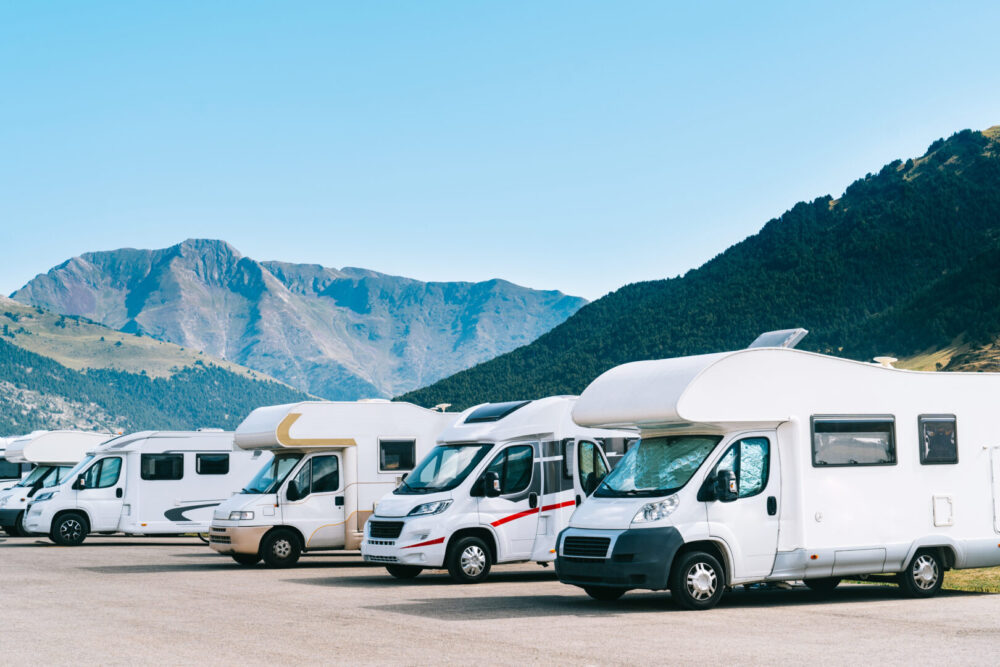
Even compact motorhomes are significantly wider, longer and taller than a car. Rear overhang, blind spots and height restrictions all need constant awareness.
Before your first big trip, practise manoeuvring in a large, empty car park and always check height limits on bridges, barriers and routes.
2. Manoeuvring takes practice — not pressure
Tight campsites, narrow lanes and fuel stations can feel intimidating at first. Take your time, ignore impatient drivers and use a banksman when needed.
Slow, controlled movements are far safer than rushing.
3. Levelling affects comfort more than you expect
If your motorhome isn’t level, you’ll notice it immediately — especially in bed. Poor levelling also affects fridge operation and drainage.
Carry proper levelling ramps and a small spirit level. It’s one of the simplest upgrades you’ll ever make.
4. Water is vital — but it adds serious weight
Fresh water is essential, but it’s heavy. Carrying a full tank when you don’t need it increases fuel use and eats into your payload.
Equally important: keep track of waste water. Discovering a full tank with no disposal point nearby is never a good moment.
5. Motorhome weights are not optional knowledge
Weights are one of the biggest causes of confusion — and one of the biggest safety risks.
You need to understand:
-
Maximum authorised mass (MAM)
-
Payload (including people, fuel, water and kit)
-
Axle limits
Overloading affects braking, steering and tyre safety. It’s critical to get this right early on.
6. Packing is an art you’ll refine over time
Most new motorhomers overpack. You don’t need everything — and every extra item adds weight.
Start with the essentials, then adjust after each trip. You’ll quickly learn what earns its place and what can stay at home.
7. A checklist will become your best friend
Everyone forgets something once — step left out, locker unlatched, aerial still up.
A simple pre-departure checklist saves stress, damage and embarrassment. Keep it on the dashboard and use it every time.
8. Motorhome fridges have their own rules
Motorhome fridges aren’t like domestic ones. They need time to cool, often require the vehicle to be level, and behave differently depending on power source.
Pre-cool before setting off, avoid overfilling and make sure vents stay clear.
9. Campsite etiquette really matters
Motorhoming is friendly, but there’s an unwritten code:
-
Keep noise down, especially at night
-
Don’t walk across other people’s pitches
-
Dispose of waste only in designated areas
-
Make sure doors and awnings stay within your pitch
Being considerate goes a long way.
10. Expect the unexpected
Weather changes, sat navs make mistakes and facilities sometimes aren’t available. This is part of motorhome life.
Flexibility and a sense of humour turn problems into stories you’ll laugh about later.
11. Sat navs aren’t always motorhome-friendly
Standard car sat navs don’t always consider height, width or weight restrictions.
If you tour regularly, a motorhome-specific sat nav or careful route planning can help avoid unsuitable roads.
12. Tyres deserve more attention than you think
Motorhome tyres often wear by age, not mileage. Even with good tread, older tyres can become unsafe.
Check:
-
Tyre age
-
Correct pressures for your actual weight
-
Condition before long trips
This is especially important after winter storage.
13. Winter driving needs extra preparation
Cold weather brings extra considerations:
-
De-icing fully for legal visibility
-
Checking lights and mirrors
-
Allowing longer stopping distances
-
Watching for black ice on rural roads
Take your time — winter driving rewards patience.
14. Storage outside the van needs careful thought
Bike racks, roof boxes and rear carriers all affect weight distribution.
Rear-mounted loads, in particular, can reduce stability if overloaded. Always reassess weight and balance when adding accessories.
15. There’s no such thing as a “forever” motorhome
Many owners change layouts as their needs evolve. What feels perfect now may not suit you in a few years — and that’s normal.
Motorhomes tend to hold value well, so changing later isn’t a failure — it’s part of the journey.
16. Confidence comes from understanding, not guesswork
The biggest difference between stressed and relaxed motorhome owners is confidence — and confidence comes from knowing how your vehicle behaves, not hoping for the best.
Professional driver and towing training can dramatically shorten the learning curve, helping you understand:
-
Vehicle size and positioning
-
Weight and stability
-
Real-world driving techniques
-
Legal responsibilities
Getting the basics right early makes every trip more enjoyable.
Final thoughts from Towing Solutions
Motorhoming should feel freeing, not nerve-wracking. The more you understand your vehicle and how it behaves on the road, the more relaxed and confident you’ll feel behind the wheel.
Learn steadily, drive calmly and enjoy the journey — that’s what motorhome life is all about 🚐