
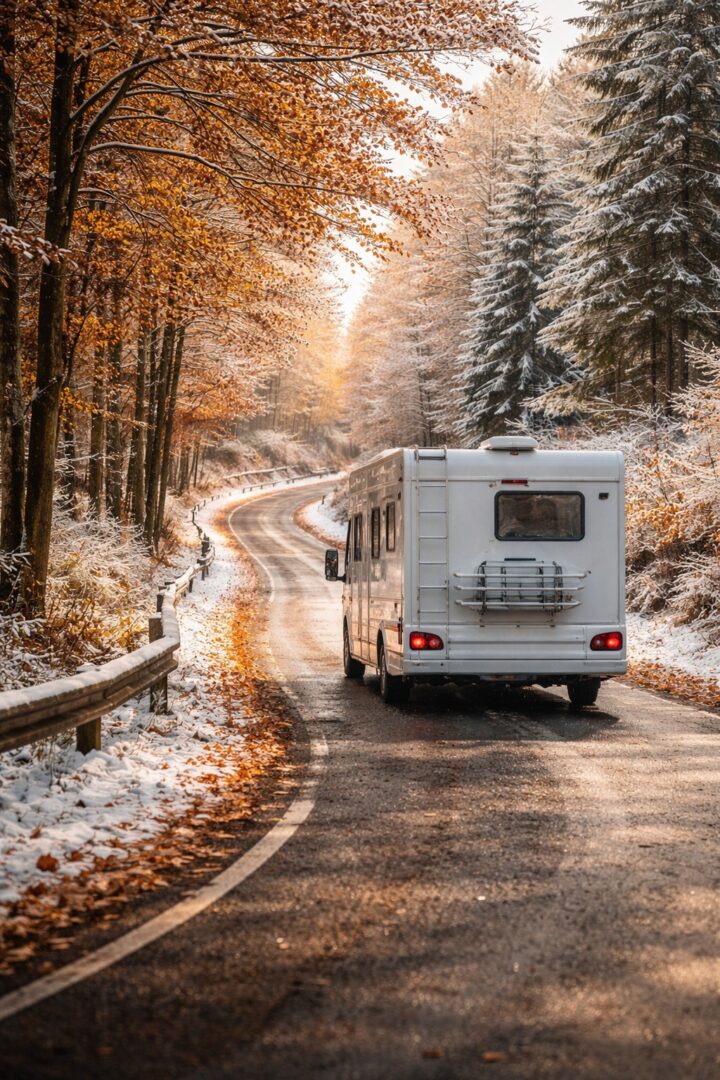
Heading off on a Christmas break with your caravan or motorhome can be a fantastic way to enjoy the festive season. Quieter roads, peaceful campsites and winter scenery all add to the appeal. However, winter towing brings extra considerations, and understanding the caravan towing rules UK drivers must follow is essential for a safe and stress free trip.
This guide brings together the most common questions people ask about caravan and motorhome rules, towing limits and practical advice — all in one easy-to-read article, with a clear focus on winter and Christmas travel.
Understanding Caravan Towing Rules in the UK
Before setting off, it’s important to understand the basic towing laws and regulations that apply when you’re towing a caravan or trailer in the UK. These rules apply all year round, but they become especially important during winter when road conditions, visibility and weather can change quickly.
What is the 85% rule for caravans?
The 85% rule is a long-standing safety guideline rather than a legal requirement. It recommends that the caravan’s fully laden weight should not exceed 85% of the car’s kerb weight — a useful principle to improve stability in winter conditions, especially if you’re less experienced or towing larger loads.
What is the 80/20 rule for towing?
The 80/20 rule relates to how you distribute weight in your caravan: keep most weight low down and close to the axle, reducing the risk of snaking and sway. Poor load distribution is one of the most common causes of instability when towing and becomes especially important in winter weather.
What are the maximum width and length limits when towing?
UK rules state that the maximum width for any trailer or caravan is 2.55 metres and the maximum length is 7 metres for vehicles with a maximum authorised mass (MAM) of 3,500kg or less. Exceeding these may mean the caravan is no longer legal for normal towing without special licences.
Speed Limits and Winter Driving Considerations
What speed should you tow a caravan in the UK?
Speed limits are lower when towing a caravan:
- 60mph on motorways and dual carriageways
- 50mph on single carriageways
- 30mph in built-up areas
These limits are set out in official UK speed regulations and are a maximum — not a target. Driving slower in winter conditions greatly improves vehicle control.
Is it safe to tow a caravan in strong winds?
Strong or gusty winds are one of the biggest risks to caravanners. High-sided caravans are more susceptible to crosswinds, which can cause swaying or “snaking.” If wind speeds are forecast to exceed 30–40mph, consider delaying your journey until conditions improve.
Towing Mirrors, Visibility and Legal Requirements
Are towing mirrors legally required in the UK?
Yes. If your caravan or trailer is wider than your towing vehicle, you must fit suitable towing mirrors so you can see down both sides of the caravan. Failure to do this can lead to fines and penalty points on your licence.
For help mastering caravan handling and ensuring you’re confident with mirrors, reversing and manoeuvring, consider a Caravan Towing Course from Towing Solutions — ideal for new and experienced caravanners alike.
What Driving Licence Rules Apply?
From December 2021, most drivers with a standard Category B licence can tow a caravan up to the legal towing limit without needing additional tests. However, the maximum weight you can tow still depends on when you passed your test and your vehicle’s towing capacity.
If you want hands-on experience before setting off, Towing Solutions offers a range of practical towing lessons, including caravan training and advanced safety tuition. See available options on our Leisure Towing Courses page.
Living in a Caravan: Temporary Questions Around Christmas
Many families consider using a caravan as extra accommodation during the festive period. It’s important to understand the difference between towing law and planning law — the latter covers how long a caravan may remain in one place and whether planning permission is needed. Always check with your local authority if you’re unsure.
How to Prepare Your Caravan for Winter Travel
Winter packing tips
- Keep heavy items low and near the axle
- Empty water tanks to avoid freezing
- Secure all loose items inside the caravan
- Check the nose weight carefully so you stay within limits
Caravan towing stability starts with correct load distribution and preparation, especially in winter when temperatures and road conditions can change rapidly.
What not to do when towing in winter
- Don’t rush — allow plenty of time
- Don’t overload the caravan or put weight far to the rear
- Don’t ignore tyre pressures and tread depths
- Don’t tow if conditions feel unsafe
Why Towing Training Matters
Whether you’re new to caravanning or want to refresh your skills before a long winter trip, training can make all the difference. Towing Solutions offers practical and confidence-building courses, including:
- Caravan Towing Courses — build skill and legal understanding before you travel
- Reversing Courses — master tight manoeuvres with your caravan or trailer
- Trailer Safety & Awareness — ideal for workplace safety and confidence on the road
These courses help drivers understand weight distribution, coupling/uncoupling, visibility rules and how to handle real-world winter conditions.
A Final Word on Christmas Caravan & Motorhome Travel
A Christmas caravan or motorhome break can be magical, but only if you travel safely and within the law. Understanding the caravan towing rules UK drivers must follow, adapting your driving for winter conditions and preparing your caravan correctly will make all the difference.
If you’re new to towing, haven’t towed for a while, or want extra confidence before a winter journey, professional caravan towing training can help refresh your skills and improve safety — especially when conditions are less forgiving.
Wherever your festive travels take you, slow down, stay safe, and enjoy the journey as much as the destination.