
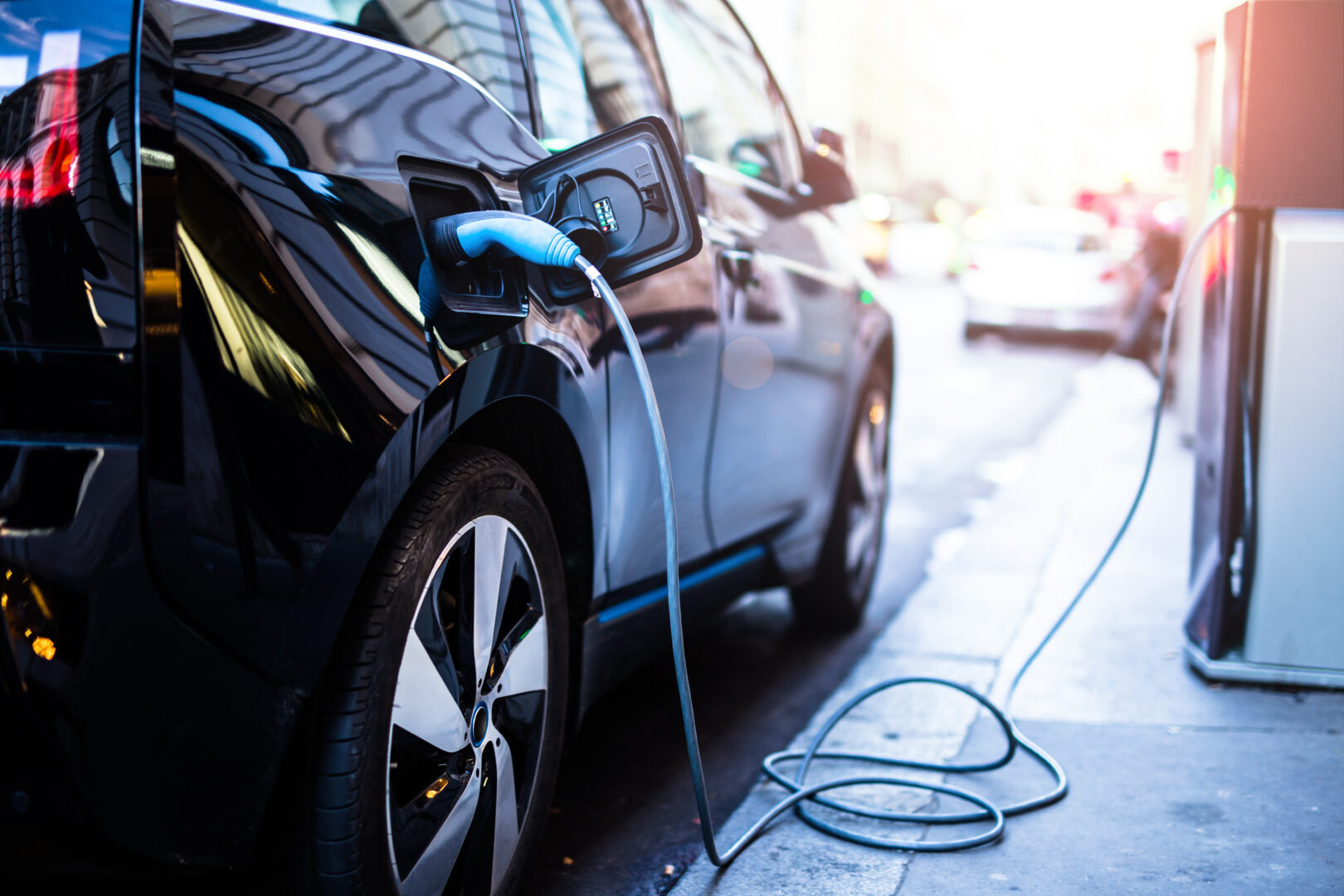
The UK towing industry is changing rapidly. Electric vehicles, hybrid vans, advanced driver assistance systems and connected vehicle technology are no longer future concepts — they are already being used daily by caravan owners, fleet operators, trailer users and commercial businesses across the UK.
Recent automotive industry figures show that while the wider used car market remained relatively flat during the first quarter of 2026, used electric vehicle sales grew significantly. Battery electric vehicles are now reaching record market share levels within the used vehicle market as more drivers transition away from petrol and diesel vehicles.
For the towing industry, this shift brings both opportunities and challenges.
At Towing Solutions, we are increasingly seeing drivers attend caravan towing courses, trailer safety training and fleet towing programmes using electric and hybrid vehicles for the first time. Many are surprised by how differently modern EVs behave when towing trailers or caravans.
Understanding these differences is becoming essential for anyone towing on UK roads.
The Rise of Electric Vehicles in the UK Towing Industry
Electric vehicles are becoming more accessible across both the new and used vehicle markets. Rising fuel prices, increased manufacturer investment and government decarbonisation targets are all contributing to greater EV adoption.
For businesses operating commercial fleets, electric vans are also becoming increasingly practical due to changes in UK legislation and improvements in charging infrastructure.
However, towing with an EV or hybrid vehicle is not the same as towing with a traditional diesel vehicle.
Modern EVs introduce several important changes, including:
-
- Instant torque delivery
- Regenerative braking systems
- Different vehicle weight distribution
- Advanced towing electronics
- Reduced towing range
- Trailer compatibility considerations
Without proper understanding and towing awareness, drivers can quickly find themselves struggling with vehicle behaviour, charging logistics or trailer stability.
Electric Vans and UK Regulation Changes
One of the most important developments for UK businesses towing with electric vans is the recent change to MOT regulations for certain electric commercial vehicles.
Legislation now allows qualifying electric vans up to 4.25 tonnes to follow the same MOT rules as lighter vans rather than HGVs. This removes a significant barrier for fleet operators considering electric commercial vehicles.
The changes help businesses by:
- Reducing operational complexity
- Avoiding certain HGV testing requirements
- Allowing access to standard van MOT centres
- Improving practicality for commercial operators
This is particularly important for businesses towing trailers, generators, plant equipment and commercial loads using electric vans.
Official GOV.UK guidance on electric vehicles can be found here:
https://www.gov.uk/government/collections/electric-vehicles
How EVs Behave Differently When Towing
Many drivers assume towing with an EV will feel similar to towing with a diesel vehicle. In reality, there are several key differences drivers must understand.
Instant Torque
Electric vehicles deliver maximum torque immediately. While this can improve pulling power, it also means trailers can react differently during pull-away manoeuvres or reversing.
Drivers unfamiliar with EV towing can easily apply too much acceleration without realising how quickly power is delivered.
Regenerative Braking
Regenerative braking systems recover energy while slowing the vehicle. This changes how the vehicle behaves during braking and downhill driving.
When towing, regenerative braking can feel unusual to drivers used to traditional engine braking and diesel towing behaviour.
Reduced Towing Range
Towing significantly increases energy consumption on electric vehicles. Depending on trailer weight, weather conditions and driving speed, towing range can reduce considerably.
For caravan owners and fleet operators, journey planning and charging infrastructure become much more important.
Modern Tow Vehicles Are Becoming More Advanced
Modern vehicles now include advanced technology systems designed to improve safety and efficiency.
These include:
- Trailer stability assist
- Adaptive cruise control
- Lane keeping assist
- Parking and reversing systems
- CANbus towing electrics
- Automated emergency braking systems
While these systems can improve towing safety, they also create additional complexity.
Incorrect towbar installation, incompatible trailer electrics or poor trailer loading can interfere with vehicle systems and create warning messages or unsafe towing behaviour.
Many modern vehicles also require vehicle coding when fitting towbars or trailer electrics.
Common Mistakes Drivers Make When Towing With EVs
As electric towing vehicles become more common, several common mistakes are appearing across the towing industry.
- Overestimating towing range
- Ignoring vehicle payload and train weight limits
- Not understanding regenerative braking
- Using incorrect trailer electrics
- Poor trailer weight distribution
- Failing to plan charging stops
- Assuming driver assistance systems prevent instability
These issues can affect trailer safety, vehicle stability and legal compliance.
Towing Safety Checks Still Matter
Despite advances in vehicle technology, traditional towing safety checks remain critical.
Drivers should always:
- Check trailer tyres and pressures
- Inspect trailer lighting systems
- Confirm correct noseweight
- Secure loads properly
- Inspect breakaway cables and couplings
- Carry out regular trailer maintenance
Official GOV.UK towing guidance can be found here:
https://www.gov.uk/towing-with-car
Load security guidance is available here:
https://www.gov.uk/government/publications/load-security-vehicle-operator-guidance
Professional EV & Hybrid Driver Training Courses
As electric vans and hybrid towing vehicles become more common across UK fleets, professional driver familiarisation and safety training are becoming increasingly important.
At Towing Solutions, we provide specialist EV and hybrid vehicle training courses designed specifically for drivers, fleet operators and businesses transitioning to electric vehicles.
Our training focuses on the real-world challenges drivers face when operating modern electric and hybrid vehicles, particularly when towing trailers, caravans or commercial loads.
IMI EV & Hybrid Van Driver and Trailer Awareness Course
Our IMI EV & Hybrid Van Driver and Trailer Awareness Course is designed for businesses and drivers operating electric or hybrid vans with trailers.
The course covers:
- How EV and hybrid vans behave differently when towing
- Regenerative braking awareness
- Battery range management while towing
- Trailer stability and load security
- Charging considerations for towing vehicles
- Safe towing techniques using EVs and hybrids
- Driver safety and legal awareness
This course is particularly useful for fleet operators transitioning from diesel vans to electric commercial vehicles.
Electric Vehicle & Hybrid Van Driver Training Course
We also deliver the Electric Vehicle & Hybrid Driver Training Course, which focuses on helping drivers understand the core principles of operating modern EVs and hybrid vehicles safely and efficiently.
Delegates learn about:
- EV dashboard systems and controls
- Charging procedures and charging types
- Efficient driving techniques
- Vehicle range planning
- Regenerative braking systems
- Modern vehicle safety technology
- Safe operation of electric and hybrid vehicles
Both courses are designed to build driver confidence while supporting safer, more efficient fleet operation.
Why Professional Towing Training Matters
As vehicle technology evolves, towing is becoming increasingly technical.
At Towing Solutions, we continue to support drivers, businesses and fleet operators through practical towing and trailer training designed around real-world conditions.
As an:
- IMI Approved Centre
- Official training provider for the NTTA
- Approved Caravan and Motorhome Club training provider
- Long-established UK towing industry specialist
we provide professional training designed to improve:
- Towing safety
- Trailer stability
- Load security awareness
- Driver confidence
- Fleet compliance
- Trailer reversing skills
Frequently Asked Questions
Can electric vehicles tow caravans?
Yes. Many EVs are approved for towing caravans and trailers, although towing range and charging planning become more important.
Do EVs require different towing techniques?
Yes. Regenerative braking and instant torque can significantly change towing behaviour.
Are electric vans suitable for commercial towing?
Increasingly yes. Improvements in regulation and vehicle capability are making electric vans more practical for towing applications.
Does towing reduce EV battery range?
Yes. Towing can substantially increase energy consumption depending on trailer weight and driving conditions.
The Future of Towing Is Evolving Rapidly
The growth of electric vehicles, connected vehicle technology and modern towing systems is reshaping the UK towing industry.
For caravan owners, trailer users, fleet operators and businesses towing commercially, understanding these changes is becoming increasingly important for safety, compliance and confidence on the road.
Professional towing and EV familiarisation training can help drivers adapt safely and confidently to the next generation of towing vehicles.
To learn more about our caravan towing, trailer safety and EV driver training courses, visit:
https://towing-solutions.co.uk