
Towing safely starts with knowing your limits. Whether you’re towing a trailer for business or pleasure, it’s crucial to understand the weight restrictions for both your vehicle and trailer. Failing to comply with the legal weight limits can lead to fines, points on your licence, and dangerous situations on the road. This blog will guide you through the key steps to check your trailer weights and ensure you’re towing safely and within legal limits.
1. Know Your Vehicle’s Towing Capacity
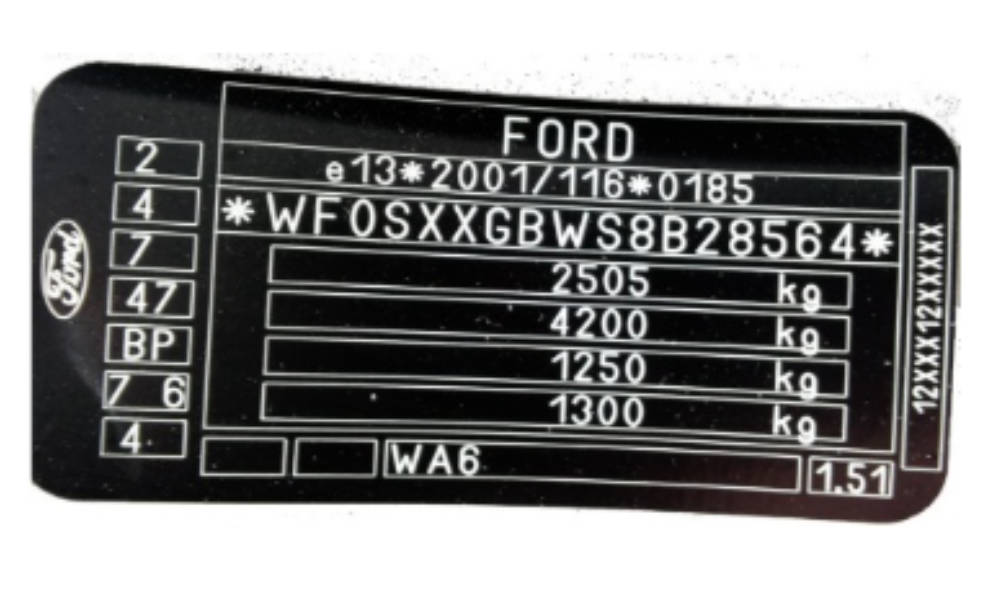
Before hitching up your trailer, it’s essential to check your vehicle’s maximum towing capacity. This figure tells you the heaviest trailer your vehicle can safely tow and is usually found in the vehicle’s handbook, on a sticker on the driver’s door, or the vehicle’s VIN plate.
The towing capacity is split into two categories:
- Braked Towing Capacity: This is the maximum weight your vehicle can tow when the trailer is equipped with its braking system.
- Unbraked Towing Capacity: The maximum weight your vehicle can tow when the trailer has no brakes. This is usually significantly lower than the braked capacity.
Always stick to the lower of these limits to prevent overloading and ensure safe towing.
2. Understand Key Trailer Weight Terms
To safely tow a trailer, you’ll need to be familiar with a few key weight-related terms:
- MTPLM (Maximum Technically Permitted Laden Mass): The maximum weight your trailer can legally weigh when fully loaded, including cargo.
- MiRO (Mass in Running Order): The trailer’s weight as it leaves the factory, including standard equipment such as gas cylinders and water.
- GVW (Gross Vehicle Weight): The total weight of your vehicle, including passengers, cargo, and fuel.
- GTW (Gross Train Weight): The combined weight of your vehicle and trailer, fully loaded. It should never exceed your vehicle’s GTW limit.
- Nose Weight: The amount of weight the trailer exerts on your vehicle’s towball. This affects handling and safety, so it must be within the manufacturer’s recommendations.
3. How to Calculate Your Trailer’s Payload
To work out how much you can safely load into your trailer, you’ll need to calculate the payload. This is the difference between the MTPLM and the MiRO.
For example:
- MTPLM: 2,000 kg
- MiRO: 1,500 kg
- Payload = 2,000 kg – 1,500 kg = 500 kg
This means you can safely carry an additional 500 kg of cargo in your trailer.
4. Check the Weight of Your Fully Loaded Trailer
Once your trailer is fully loaded, it’s essential to ensure you haven’t exceeded its MTPLM or your vehicle’s towing capacity.
Use a Public Weighbridge: Weighbridges are the most accurate way to measure your trailer’s total weight. You can find local weighbridges by searching online or visiting local authorities. Simply drive your vehicle and trailer onto the weighbridge to get a precise measurement.
5. Verify the Nose Weight
Nose weight affects your towing vehicle’s handling, so it’s important to check it before hitting the road. The nose weight should typically be 5–7% of the trailer’s total weight. For example, if your trailer weighs 1,500 kg, the nose weight should be between 75 kg and 105 kg.
To measure the nose weight, you can use a nose weight gauge. Attach it to the tow hitch, then lower the trailer onto the gauge until the jockey wheel is off the ground. The gauge will give you an accurate reading.
6. Avoid Overloading Your Trailer
Overloading a trailer not only risks fines and points on your licence, but it can also be dangerous. Exceeding the MTPLM can affect your vehicle’s braking, steering, and stability, leading to accidents.
Here are a few practical tips to avoid overloading:
- Distribute weight evenly: Keep heavy items low down and between the axles.
- Avoid excess: Be mindful of heavy items like water containers, gas cylinders, and tools.
- Use a checklist: Track the weight of everything you load to ensure you stay within the payload limit.

7. Legal Consequences of Overloading
If you are stopped by the authorities and your trailer exceeds its legal weight limits, the consequences can be severe:
- Points on your licence: Overloading can lead to 3 penalty points and fines up to £1,000.
- Trailer impounding: In extreme cases, an overloaded trailer may be impounded on the spot.
- Safety risk: Exceeding weight limits puts you and other road users at risk, especially in emergency braking or steering situations.
Towing safely starts with understanding your trailer’s weights and ensuring you’re within legal limits. Always check your vehicle’s towing capacity, calculate your trailer’s payload, and measure the total weight before setting off. Regular checks at a weighbridge or with portable scales can help you stay safe on the road, avoid fines, and ensure a smooth towing experience.
By following these guidelines, you can ensure your trailer is properly loaded, compliant with the law, and safe to tow, whether for business or personal use.
At Towing Solutions, our Trailer Safety Awareness (TSA) and Load Securing Course is designed to help businesses and individuals ensure safe, legal, and efficient towing practices. These courses cover everything you need to know about trailer weights, including how to calculate payload, check the MTPLM, and verify your vehicle’s towing capacity. Participants will also learn the importance of proper load distribution and securing techniques to avoid overloading and the associated legal penalties. With practical hands-on training, our expert instructors guide you through loading best practices, ensuring you can tow safely, protect your cargo, and stay compliant with UK regulations. Whether you’re towing for business or leisure, this course is essential for anyone looking to improve their towing safety. For more information call us on 01625 433251 or email us at [email protected]