
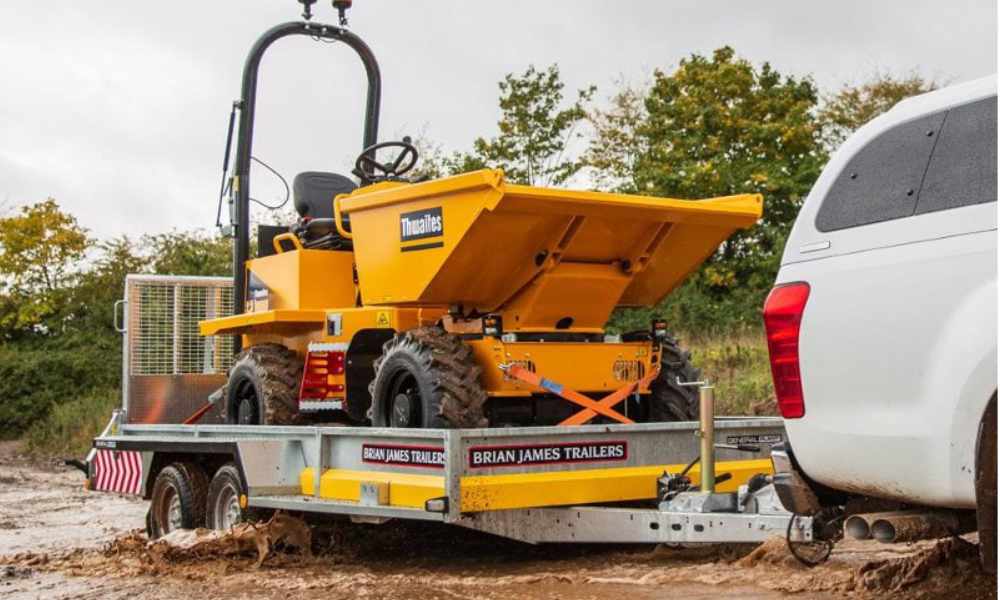
Whether you’re towing a utility trailer, horsebox, or boat trailer, proper maintenance and care are essential for a safe and hassle-free experience. At Towing Solutions, we’ve seen it all when it comes to trailer issues, so we’ve put together our top tips to help you keep your trailer in tip-top condition. Follow these simple but effective tips to avoid common problems, prolong the life of your trailer, and make your towing experience smoother and safer.
General Trailer Maintenance Tips
- Avoid Handbrake Hassles: If your trailer will be parked for an extended period, never leave the handbrake on. This can cause the brakes to seize, especially in damp or freezing conditions. Instead, use wheel chocks to keep the trailer in place securely.
- Prevent Wheel Seizing: Give your trailer a gentle push every now and then to rotate the wheels a few inches. This small movement helps prevent the wheels from seizing up, especially if the trailer is standing still for a long time.
- Don’t Over-Grease the Bearings: While it’s important to grease the wheel bearings, over-greasing can be just as bad as under-greasing. Too much grease can force the rubber seal out, leading to leakage and possible bearing failure. Use a high-quality grease and apply it sparingly.
- Mind the Tyres: Tyres have a recommended lifespan of up to 7 years, regardless of tread wear. Check the sidewall for the manufacture date and replace them if they’re past their prime. Additionally, inspect for any signs of wear or cracking, as aged tyres are more prone to blowouts.
- Watch Out for Potholes: Hitting a pothole at speed can bend the axle or damage the suspension, leading to costly repairs and unsafe towing. Drive carefully, especially on uneven or poorly maintained roads.
- Check the Mudguards: Mudguards are easily damaged if they clip a kerb or hit debris on the road. Regularly inspect them for cracks or dents to prevent further damage.

Horsebox and Livestock Trailer Tips
When you’re transporting valuable animals, the safety and condition of your horsebox or livestock trailer are paramount. Here are our essential checks:
- Inspect the Floor Thoroughly: Whether your trailer floor is made of wood or aluminium, it’s vital to check it regularly. Lift the rubber mats and inspect the floor for signs of rot or cracks. Wooden floors are especially prone to rotting if they stay damp, while aluminium floors can develop stress cracks.
- Remove Rubber Mats for Cleaning: After washing out the trailer, always remove the rubber mats to dry. This prevents water from becoming trapped underneath, which can lead to rot or corrosion over time.
- Check the Running Gear and Brakes: Your trailer’s running gear, including the brakes, should be inspected frequently, especially if the trailer has been sitting idle for a while. Check for wear, corrosion, and ensure the brakes are functioning properly before every trip.
- Inspect the Side Panels and Ramp Doors: The side panels, especially near the bottom, are prone to water damage and rot. Regularly check these areas for signs of deterioration. Additionally, ensure the ramp doors are sturdy and haven’t worn out, as they need to support the weight of your animals safely.
- Investigate Unusual Wear Marks: If you notice wear marks on the rear or sides of the trailer, investigate the cause. This could indicate improper loading, damaged panels, or other issues that need attention.
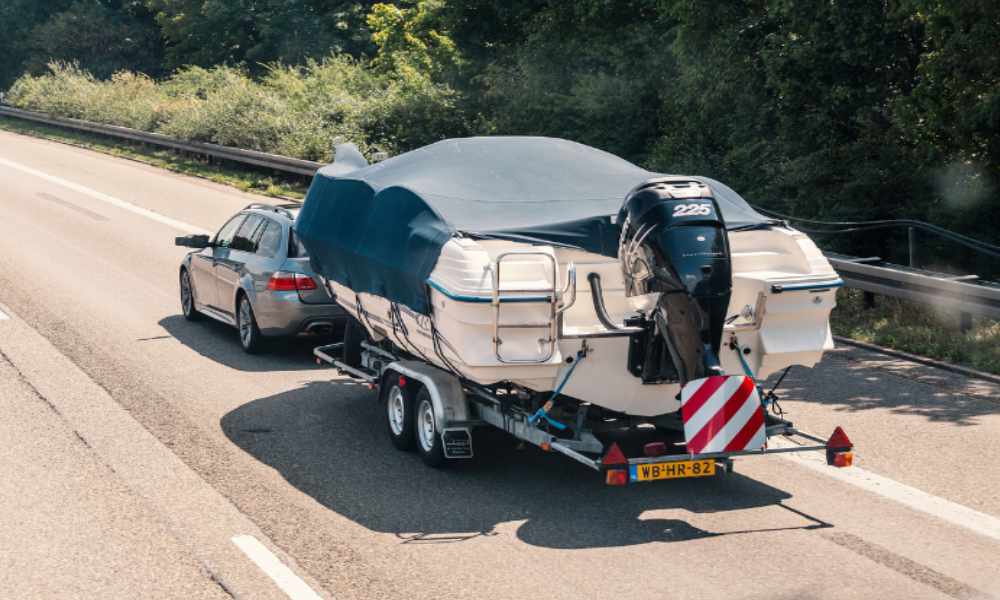
Boat Trailer Tips
Boat trailers face unique challenges, especially when exposed to saltwater. Follow these tips to protect your investment and keep your trailer in great condition:
- Let the Trailer Cool Before Submersion: When launching your boat, allow the trailer to cool down for at least 30 minutes before submerging it in water. Hot brakes and bearings can crack or warp when exposed to cold water, especially saltwater.
- Flush After Saltwater Use: Saltwater can be highly corrosive, so if you’ve been in the sea, make sure to flush the brakes and running gear with fresh water as soon as possible. Consider fitting a flushing kit for easier maintenance.
- Store Your Trailer Correctly: If your boat trailer will be parked for a long time, raise it so that the tyres are off the ground. Use wooden blocks instead of bricks or concrete, as these can crumble under pressure. This helps prevent flat spots on the tyres and reduces the risk of cracking.
- Check for Rust and Corrosion: Regularly inspect your boat trailer for signs of rust, especially on the frame, winch, and couplings. Saltwater exposure accelerates corrosion, so address any issues promptly to prevent further damage.
Need More Help?
If you have any questions or need professional advice on trailers, towbars, or towing safety, don’t hesitate to reach out. Our team at Towing Solutions is here to help, whether you need maintenance tips, repair services, or a full trailer consultation.
Contact Us:
- 📞 Call us on 01625 433 215
- 📧 Email us at [email protected]
- 🌐 Visit us at www.towing-solutions.co.uk
We also offer expert trailer consultancy services to keep you safe on the road. Get in touch for more details!