
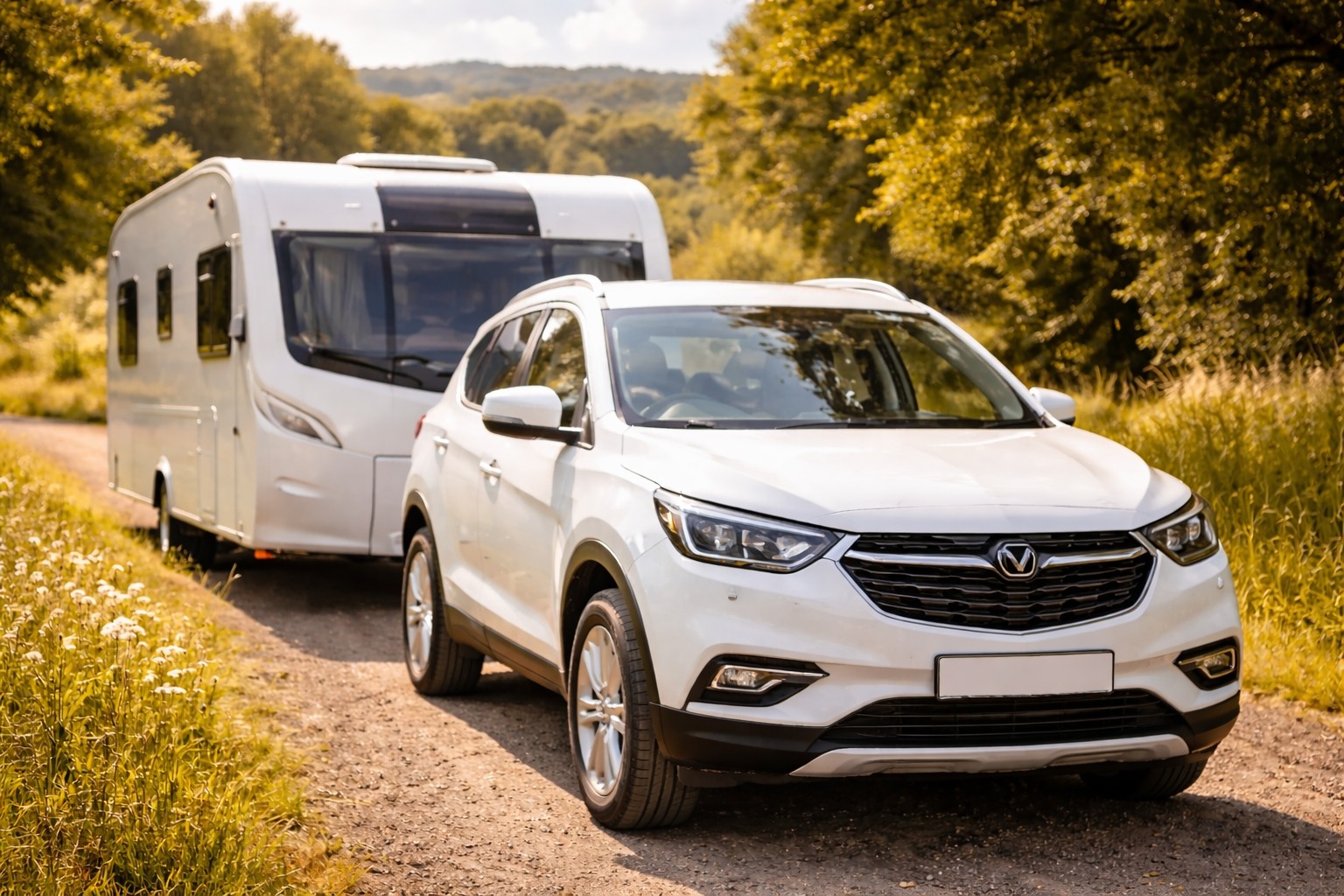
Towing a caravan for the first time is an exciting step — and one that opens the door to a whole new way of travelling. It’s perfectly normal, though, to feel a little apprehensive before your first journey. The good news is that with the right preparation and guidance, towing a caravan is safe, manageable and far less daunting than many people expect.
At Towing Solutions, our lead instructor Nigel Lea has been teaching caravan and trailer towing for decades. He works with first-time caravanners every week and sees the same concerns come up time and again. This guide brings together his key advice to help you start towing with confidence.
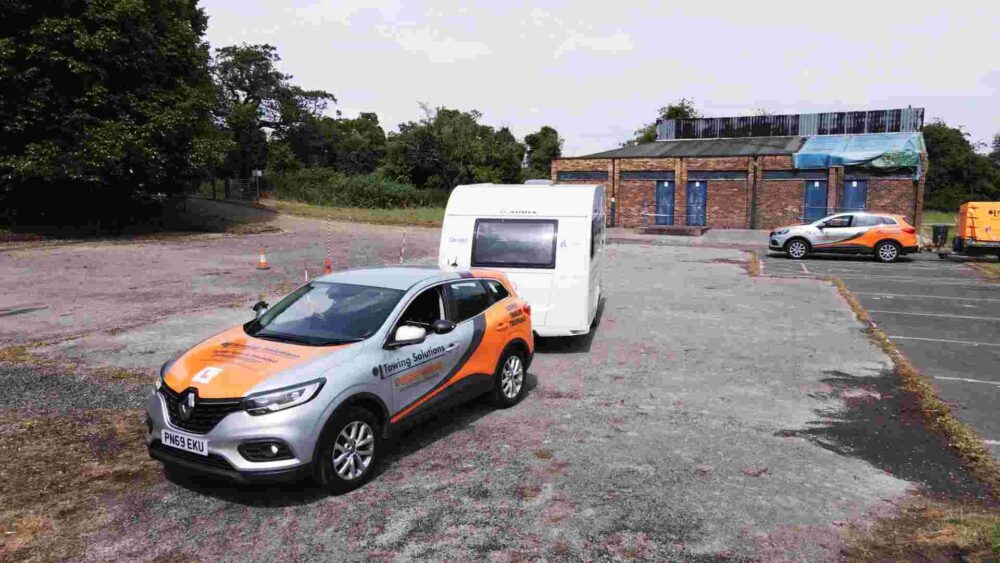
First-Time Towing: Confidence Comes from Preparation
Most new caravanners worry about the same things:
-
Will the caravan feel unstable?
-
How hard is reversing?
-
What happens if something goes wrong on the road?
According to Nigel, the biggest mistake first-time towers make is assuming they’ll “just figure it out” on their first trip.
“Your first towing experience shouldn’t be on a motorway or on the way to a campsite,” Nigel explains.
“A bit of structured tuition makes a huge difference to confidence and safety.”
Choosing the Right Car and Caravan Combination
One of the first things to get right is matching your caravan to your tow car.
You may hear experienced caravanners talk about the 85% guideline. While not a legal requirement, it’s a widely accepted rule of thumb for new towers.
In simple terms:
-
Your caravan’s actual loaded weight should ideally be no more than 85% of your car’s kerbweight
This helps ensure stability, particularly at higher speeds and in crosswinds.
Your vehicle will also have a manufacturer’s towing limit, but Nigel stresses that this figure doesn’t always reflect how comfortable or stable the outfit will feel in real-world driving.
“Just because a car can legally tow a weight doesn’t mean it’s the right match for a beginner,” says Nigel.
Why Professional Towing Lessons Make a Difference
There’s no shortage of online advice, but towing is a practical skill — and nothing replaces hands-on instruction.
A professional towing lesson allows you to:
-
Learn how to hitch and unhitch correctly
-
Practise safe reversing and manoeuvring
-
Understand towing laws and speed limits
-
Experience towing in real traffic conditions
-
Build confidence in a controlled environment
At Towing Solutions, lessons are delivered one-to-one, with Nigel guiding drivers through everything from basic setup to real-road driving.
“Most people are surprised by how quickly their confidence grows once they’ve had proper instruction,” Nigel says.
Mirrors: Not Optional, Not a Preference
Towing mirrors are not just a “nice to have” — they are essential.
UK law requires drivers to have a clear view:
-
20 metres behind the caravan
-
4 metres either side
For most cars and caravans, this simply isn’t possible without extension mirrors. Properly fitted and adjusted mirrors allow you to:
-
Monitor traffic safely
-
Position the caravan correctly on the road
-
Spot potential hazards early
Nigel regularly sees poorly adjusted mirrors causing unnecessary stress for new towers.
Hitching Up: The One Check You Mustn’t Skip
When hitching up, there’s one simple but critical check Nigel always emphasises — often called the wind-back check.
Once you believe the caravan is hitched:
-
Wind the jockey wheel down again
-
The rear of the car should lift slightly
-
This confirms the hitch is properly engaged
Only then should you wind the jockey wheel back up and stow it. It’s a simple step, but it prevents one of the most serious towing incidents: a caravan becoming detached.
Loading Your Caravan Correctly
Weight distribution plays a huge role in towing stability.
Nigel’s golden rules:
-
Keep heavy items low down
-
Position weight close to the axle
-
Avoid loading heavy items at the front or rear
-
Secure items so they can’t move in transit
Poor loading can lead to instability and increase the risk of caravan snaking, even if the outfit is well matched.
Speed Limits When Towing
Speed limits change when you tow a caravan:
-
Motorways & dual carriageways: 60mph
-
Single carriageways: 50mph
-
Lower posted limits: remain the same
Even if traffic is flowing faster, towing at the correct speed gives you more time to react and keeps the caravan stable.
Understanding and Managing Caravan Snaking
Snaking is one of the biggest fears for new caravanners — and one of the most misunderstood.
Snaking occurs when the caravan begins to sway from side to side, often due to:
-
Excessive speed
-
Poor loading
-
Strong crosswinds
-
Sudden steering inputs
Nigel teaches drivers exactly how to respond:
-
Do not accelerate
-
Do not brake harshly
-
Ease off the throttle gently
-
Keep the steering straight
With correct technique, the movement will usually settle.
Reversing Made Easier
Reversing a caravan isn’t as difficult as many people fear — especially when shown properly.
During towing lessons, Nigel breaks reversing down into simple, repeatable steps. For those who still prefer not to reverse manually, a motor mover can remove much of the stress when pitching on site.
Learn to Tow Safely with Towing Solutions
Towing a caravan for the first time doesn’t have to be intimidating. With expert instruction, the right preparation and a calm, structured approach, most drivers are surprised by how quickly they feel at ease.
Our towing lessons, led by Nigel Lea, are designed specifically to build confidence, competence and safe habits from day one.
👉 View caravan towing lessons and training:
https://www.towing-solutions.co.uk