
A Towing Solutions Fact Sheet
Why Trailer Servicing Matters
A trailer may look simple, but it has many safety-critical parts. Brakes, bearings, tyres, wheels, coupling heads, breakaway cables, suspension, chassis components and lights all need regular inspection.
GOV.UK guidance explains that trailers and towing equipment must be safe and used correctly. Drivers must also make sure the vehicle and trailer are suitable for the journey and within the correct weight limits.
Official guidance: GOV.UK towing with a car
For businesses, trailer servicing is also part of duty of care. If staff use trailers for work, employers should be able to show that trailers are inspected, maintained and suitable for use.
Trailer Servicing Costs
How much does it cost to service a trailer?
The cost of servicing a trailer depends on the trailer type, size, axle configuration, braking system, condition and whether parts are required. A small unbraked trailer will usually cost less to inspect than a braked twin-axle plant trailer, horse trailer or commercial trailer.
How much is a full service roughly?
A full trailer service can vary widely. Smaller trailers may be relatively inexpensive, while larger commercial trailers, horse trailers, boat trailers and plant trailers can cost more due to extra labour and parts. The best approach is to get a quote based on the trailer’s axle type, brake system and condition.
How much does it cost to maintain a trailer?
Maintenance costs depend on mileage, load type, storage conditions and how often the trailer is used. Trailers used commercially, near salt water, on construction sites or with heavy loads may need more frequent maintenance than lightly used domestic trailers.
Is it worth paying for a full service?
Yes. A full service can identify worn bearings, weak brakes, damaged tyres, faulty lights, corrosion, worn suspension or coupling problems before they become dangerous or expensive.
Do I really need a full service every year?
For many trailers, especially braked trailers and trailers used for work, an annual service is strongly recommended. Trailers that are used heavily, carry high-value loads or operate in demanding environments may need more frequent checks.
What a Trailer Service Includes
What does a trailer service include?
A professional trailer service may include checks on the coupling head, breakaway cable, jockey wheel, tyres, wheels, wheel nuts, hubs, bearings, brakes, brake cables, chassis, suspension, lights, reflectors, number plate, bodywork and general roadworthiness.
What maintenance needs to be done on a trailer?
Typical trailer maintenance includes checking tyre pressures, tyre age and condition, wheel nut torque, lights, plug connections, reflectors, coupling operation, breakaway cable, jockey wheel, bearings, brakes, chassis condition and load security.
What maintenance is necessary on trailers?
Necessary maintenance depends on the trailer, but every trailer should be kept roadworthy. Essential checks include tyres, wheels, lights, coupling, braking system where fitted, load security, chassis and suspension.
How do I service my trailer?
You can carry out basic pre-use checks yourself, but full trailer servicing requires the correct knowledge, tools and safety procedures. Bearings, brakes and hubs must be handled correctly. If you are unsure, use a competent trailer technician or complete proper trailer servicing training.
Want to learn trailer servicing properly?
Our Trailer Servicing & Maintenance 2 Day Beginners Course is designed for technicians, workshops and businesses wanting practical, hands-on trailer maintenance training.
Trailer Bearings
How to tell if trailer bearings need replacing?
Warning signs of worn trailer bearings can include rumbling, grinding, excessive heat at the hub, wheel play, vibration, uneven rotation or grease leakage. If a hub feels unusually hot after a journey, the trailer should be checked before further use.
How often do trailer bearings need to be repacked?
This depends on the trailer type, bearing system, use and manufacturer guidance. Boat trailers, heavily used trailers and trailers exposed to water or dirt may need more frequent attention. Bearings should be inspected during servicing and replaced or repacked where required.
How often should I grease my trailer bearings?
Follow the manufacturer’s instructions. Over-greasing can cause problems on some systems, while lack of lubrication can lead to bearing failure. If you are unsure what type of bearing system your trailer has, get it inspected by a competent technician.
Can trailer bearings fail suddenly?
Yes. Bearings can deteriorate gradually, but failure can appear sudden if early warning signs are missed. A failed bearing can lead to wheel damage, hub damage or loss of control, so regular inspection is essential.
Common Trailer Repairs
What are the most common trailer repairs?
Common trailer repairs include replacing tyres, bearings, brake shoes, brake cables, lighting units, plugs, sockets, reflectors, jockey wheels, breakaway cables, mudguards, couplings and suspension components.
What are common trailer maintenance issues?
Common maintenance issues include seized brakes, worn bearings, cracked tyres, tyre age, faulty lights, damaged plugs, corroded chassis components, loose wheel nuts, worn couplings and poor brake adjustment.
Is it worth repairing a trailer?
Often, yes. If the chassis is sound and the trailer suits your needs, repairing brakes, bearings, lights or tyres may be cost-effective. However, if the trailer has severe corrosion, structural damage or repeated failures, replacement may be better.
What is the lifespan of a trailer?
A well-maintained trailer can last for many years. Lifespan depends on build quality, storage, usage, load weight, maintenance, corrosion protection and whether repairs are carried out promptly.
UK Trailer Rules
Do I need to take a trailer test now in the UK?
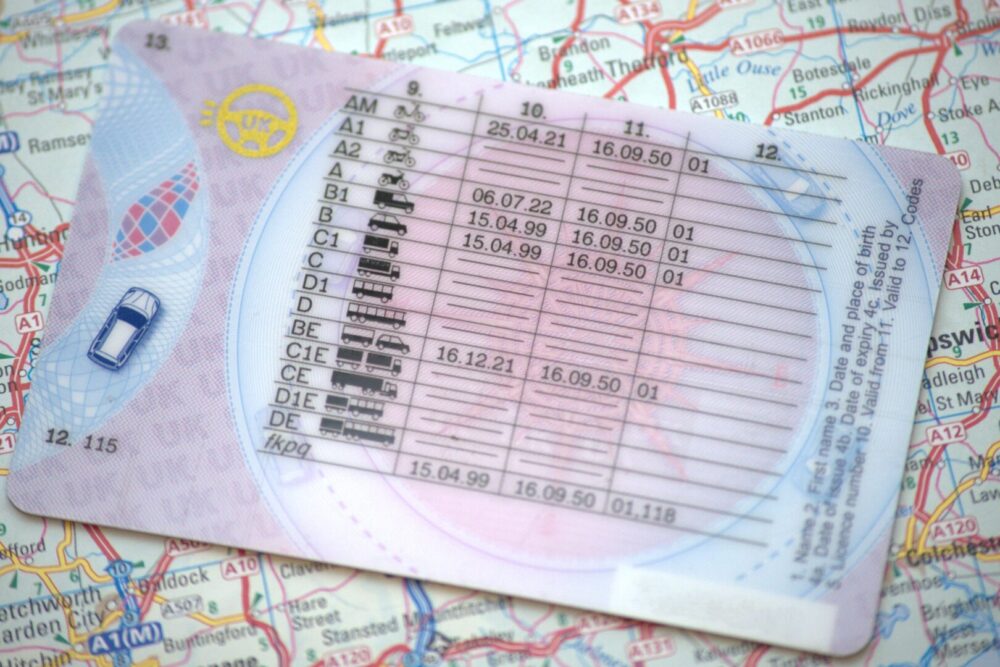
For most car drivers, the separate car and trailer test was removed in December 2021. Many drivers with a Category B licence can now tow trailers without taking an additional B+E test. However, you must still stay within vehicle, trailer and train weight limits.
What are the rules for trailers in the UK?
UK trailer rules cover licence entitlement, vehicle towing capacity, trailer weight, width, length, number plates, lights, brakes, tyres, mirrors, load security and roadworthiness. Drivers must make sure the trailer is safe and legal before every journey.
What is the new trailer law in the UK?
The most significant recent change for many drivers was the removal of the separate B+E trailer test requirement for Category B licence holders. However, this did not remove the responsibility to tow legally and safely.
What are the new towing laws in the UK 2026?
For most trailer users, the 2021 licence changes still apply in 2026. You must still check your car or van towing capacity, trailer Maximum Authorised Mass, Gross Train Weight, width and length limits, and trailer condition.
Do I have to register my trailer with DVLA?
Most trailers used only in the UK do not need separate DVLA registration. However, some trailers must be registered before being towed abroad. GOV.UK explains that certain trailers used internationally must be registered.
Official guidance: GOV.UK trailer registration guidance
Do trailers need MOT in the UK?
Most light trailers do not have the same MOT requirement as cars. However, this does not mean they can be ignored. They must still be roadworthy, safe and suitable for use.
Loading Rules and Towing Ratios
What is the 60/40 rule for trailers?
The 60/40 rule is a general loading principle. It suggests placing around 60% of the load weight towards the front half of the trailer and 40% towards the rear. The aim is to keep the trailer stable and avoid excessive rear loading.
What is the 80% towing rule?
The 80% towing rule is guidance rather than law. It usually means keeping the loaded trailer weight to around 80% of the tow vehicle’s kerbweight for extra stability and driver confidence. It is similar to the better-known 85% caravan towing guideline.
Why does trailer loading matter?
Poor loading can cause instability, snaking, poor braking, tyre overload, excessive noseweight or too little noseweight. A trailer may be within its legal weight limit but still unsafe if the weight is badly distributed.
Should I check noseweight?
Yes. Noseweight is the downward force on the towball. It must be within the limits set by the vehicle, towbar and trailer manufacturer. Too much or too little noseweight can make the trailer unstable.
Need loading and securing training?
Our Loading and Securing Trailers Course helps businesses and drivers understand safe loading, weight distribution, securing methods and practical trailer safety.
Trailer Servicing Training from Towing Solutions
Towing Solutions provides practical trailer servicing, maintenance and safety training for workshops, technicians, trailer businesses, fleet operators and organisations maintaining their own trailers.
- Trailer Servicing & Maintenance 2 Day Beginners Course
- Trailer Servicing & Maintenance 1 Day Advanced Course
- AWS Trailer Servicing 1 Day Advanced Course
- Trailer Safety & Awareness Course
- Loading and Securing Trailers Course
- Towbar Technician Training
- Trailer and Trailer Tent Towing Course
These courses are suitable for businesses that want to improve safety, reduce downtime, develop in-house skills and give technicians a stronger understanding of trailer systems.
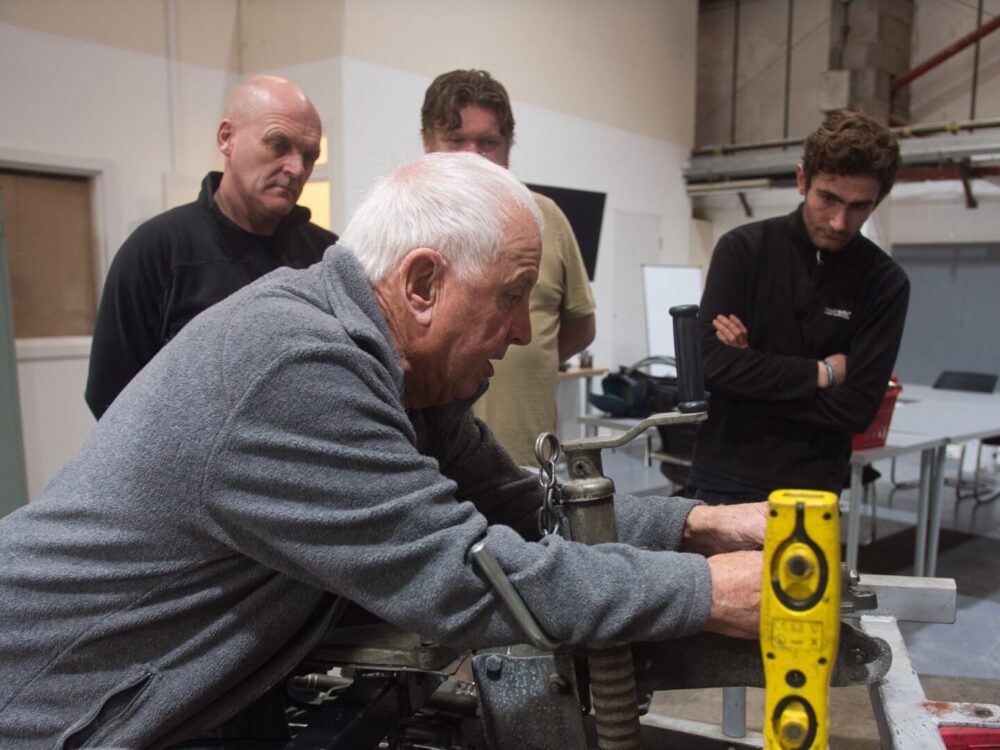
Trailer Servicing and Technical Training Testimonials
⭐⭐⭐⭐⭐ Duncan – The Northern Lighthouse Board
“I found the course very good and took a lot away from the training. In particular, learning how to service the different types of brakes was especially useful and something I’ll definitely use going forward. The instructor on the day was excellent – very knowledgeable and delivered the training really well. I would definitely recommend the course to others.”
⭐⭐⭐⭐⭐ Harry – Beacon International
“Overall, I found the course very good – it’s nothing compared to another trailer servicing course I previously attended with a different training provider. Dave really knows what he’s talking about and brings a huge amount of knowledge and experience to the training. What I found especially useful was the way we covered a subject and then went straight to the trailer to look at the component we were discussing. That hands-on approach made it much easier to understand and apply in real life. I would definitely recommend the course to others.”
⭐⭐⭐⭐⭐ Matthew – Carbon Plantations
“Overall, I found the course really good. It was well laid out, and Dave had a huge amount of knowledge, providing tonnes of practical hints and tips throughout. Since completing the course, we’ve already started to implement changes within our own processes, which shows how valuable the training has been. In particular, I found learning how to change dampers especially useful – it was clearly explained and easy to follow.”
⭐⭐⭐⭐⭐ Jacob
“It was a really good course and very insightful. Dave was a great instructor – knowledgeable, approachable, and clear throughout. The course notes are excellent and something I’ll definitely refer back to. It was also really useful to see all the different types of equipment laid out, as it gives a clear understanding of what I might need going forward.”
⭐⭐⭐⭐⭐ Darren – T/A Trailer Care Nottingham
“The training definitely met my expectations. Dave’s knowledge was outstanding – whenever you asked a question, he knew the answer straight away. I already have a background as a mechanic, but I’m starting a new venture and wanted to build my knowledge specifically around trailer servicing. Since completing the course, I feel more confident moving forward. I’d highly recommend the course to anyone looking to develop their skills in trailer servicing.”
⭐⭐⭐⭐⭐ Steve – The Clancy Group
“I found the course really good overall, and it was definitely worth doing as a refresher. The training was delivered offsite at our company, which made it even more relevant to our day-to-day work. Lee was a great instructor – a really nice guy who made the day easy to follow and engaging. I would definitely recommend carrying out an offsite course to other companies.”
Towbar Technician Training Testimonials
⭐⭐⭐⭐⭐ Brandon – Hitched Towbars
“The course was extremely helpful – Paul was brilliant and I’d recommend it to anyone. The training definitely met my expectations. During the course we fitted a towbar to a Ford Galaxy, and just a week later I had a customer with the same vehicle. If it wasn’t for the training, I would have struggled with the installation. The instructor was really helpful on the day and made everything clear and practical.”
⭐⭐⭐⭐⭐ Sam – Vehicle Accessory Solutions
“I found the course very informative. It was delivered by a highly knowledgeable instructor who clearly put everything into the training and explained things to the best of his ability. As someone who had never fitted a towbar before, I found everything useful – it’s given me a great foundation and confidence to get started. I wouldn’t change anything… you even provided lunch, so what more could I ask for?”
⭐⭐⭐⭐⭐ Emran
“I found the course really good overall and very informative. One of the most useful aspects was how quickly we got stuck into the practical side – within just a few hours we were hands-on, which made a big difference to understanding the work properly. At the moment, I wouldn’t suggest any improvements – it was delivered really well.”
Related Leisure Training Testimonials
⭐⭐⭐⭐⭐ Anne Swift
“The driving course I recently did was very beneficial for me. It has taught me much more than I thought it would, the manoeuvres were very well explained and structured. The advice whilst driving the vehicle was well explained without criticism and this has given me so much more confidence, which is exactly what I wanted and needed. Many thanks to Eddie and Towing Solutions.”
⭐⭐⭐⭐⭐ Nicola from Staffordshire
“After purchasing my first motorhome, much bigger than I expected, I felt I needed to gain confidence before venturing into the sunset. Towing Solutions provided a great experience on their Motorhome Course. Eddie, my course tutor, was calm, reassuring and offered clear instructions and guidance throughout. I now feel more confident in my own abilities and have more knowledge and understanding about my motorhome. I would highly recommend Towing Solutions to anyone who wants to learn more or build skills and confidence for peace of mind.”
Trailer Servicing Q&A Fact Sheet
How much does it cost to service a trailer?
It depends on the trailer type, axle configuration, braking system, condition and parts required. A small unbraked trailer will usually cost less than a larger braked trailer.
What is the 60 40 rule for trailers?
It is a loading guide suggesting around 60% of the weight should sit towards the front half of the trailer and 40% towards the rear, while keeping the load secure and within noseweight limits.
How much is a full service roughly?
A full service cost varies by trailer size and condition. Braked trailers normally cost more to service than unbraked trailers due to brake, hub and bearing checks.
Is it worth paying for a full service?
Yes. A full service can identify safety issues before they cause breakdowns, accidents or expensive repairs.
How do I service my trailer?
Start with basic checks such as tyres, lights, coupling and wheel nuts. Brakes, bearings and hubs should be serviced by someone competent or properly trained.
What are the most common trailer repairs?
Common repairs include tyres, lights, plugs, brake cables, brake shoes, bearings, jockey wheels, breakaway cables and couplings.
Do I need to take a trailer test now in the UK?
Most Category B licence holders no longer need a separate trailer test, but legal towing limits still apply.
Do I have to register my trailer with DVLA?
Usually not for UK-only use, but some trailers must be registered before travelling abroad.
Is it worth repairing a trailer?
Often yes, especially if the chassis is sound and the repair cost is sensible compared with replacement.
What does a trailer service include?
It can include checks on brakes, bearings, hubs, tyres, wheels, lights, coupling, breakaway cable, suspension, chassis and general roadworthiness.
What are common trailer maintenance issues?
Common issues include seized brakes, worn bearings, cracked tyres, faulty lights, corroded chassis parts and loose or damaged fittings.
What maintenance needs to be done on a trailer?
Regular checks should cover tyres, lights, brakes, bearings, coupling, wheel nuts, suspension, chassis and load security.
Do I really need a full service every year?
Annual servicing is strongly recommended for many trailers, especially braked trailers, leisure trailers and trailers used regularly or commercially.
How to tell if trailer bearings need replacing?
Look for rumbling, grinding, heat, wheel play, vibration or grease leakage. If in doubt, stop using the trailer and get it checked.
What are the rules for trailers in the UK?
Trailers must be safe, roadworthy, correctly lit, correctly loaded and within legal towing limits.
How often do trailer bearings need to be repacked?
This depends on the bearing type and use. Boat trailers and heavily used trailers may need more frequent attention.
How much does it cost to maintain a trailer?
Costs vary depending on use, mileage, condition and whether replacement parts are required.
How often should a trailer be serviced?
Many trailers should be serviced annually, while commercial or heavily used trailers may need more frequent inspections.
How often should I grease my trailer bearings?
Follow manufacturer guidance. Some systems require periodic greasing, while others use sealed bearings.
What is the lifespan of a trailer?
A well-maintained trailer can last many years. Lifespan depends on usage, storage, build quality and servicing.
Do trailers have to be serviced?
There may not be an MOT for many light trailers, but they must still be roadworthy and safe. Regular servicing helps prove responsible maintenance.
What is the new trailer law in the UK?
The main recent change was the removal of the separate B+E test for many drivers. Some international journeys also require trailer registration.
Do trailers need MOT in the UK?
Most light trailers do not need an MOT, but they must still be maintained in a safe and roadworthy condition.
What is the 80% towing rule?
It is guidance suggesting the loaded trailer should ideally be around 80% of the tow vehicle’s kerbweight for additional stability.
What maintenance is necessary on trailers?
Essential maintenance includes tyres, wheels, lights, brakes, bearings, coupling, breakaway cable, suspension, chassis and load security.
What are the new towing laws in the UK 2026?
The 2021 licence change still applies in 2026. Drivers must still check towing capacity, trailer weight, train weight, roadworthiness and safety equipment.
Book Trailer Servicing Training
If your business maintains trailers, repairs trailers or uses trailers as part of daily operations, professional training can improve safety, reduce downtime and support compliance.
Our trailer servicing courses are practical, hands-on and designed to help technicians understand trailer systems properly.
Call Towing Solutions on 01625 433251 or visit our Trailer Servicing & Maintenance Course page to find out more.
Towing Solutions – putting towing safety first since 1869.